
Decision Selected
Purpose
Choose the most ethical and practical option based on your assessment.
Key Concepts
Once alternatives have been thoroughly evaluated, it is time to make a choice. This step calls for sound judgment that integrates ethical reasoning, stakeholder input, and strategic goals. The goal is not to pick the perfect option but the one that best aligns with ethical principles, business values, and the interests of those affected.
This is also where accountability begins. The decision you select should be one you are prepared to explain and defend.
In Practice
Example Scenario
After reviewing stakeholder input and applying ethical lenses, NexaTech’s leadership team selects the hybrid AI-human model. This option reduces costs while retaining key staff, shows care for the local community, and maintains service quality. Leadership prepares to communicate this decision internally and externally with a clear explanation of how ethics and strategy were balanced.
Tips and Tools
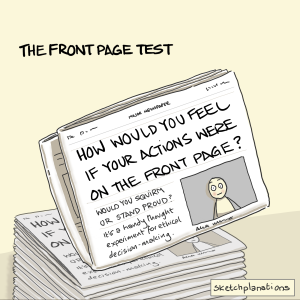
- Use a publicity test: Would you feel confident explaining your decision on the news or to your community?
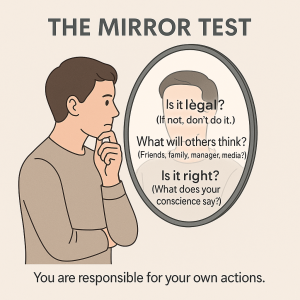
- Apply the mirror test: Would you feel proud of this decision years from now?
- Document your rationale clearly. Ethics requires transparency.
Next Step
You’ve chosen your path. Now it’s time to put the decision into action in a way that is ethical, clear, and compassionate.
When you’re ready, continue to the next part of the process:
Proceed to: Implementation →
